How to Sell Land To A Developer in UT for Cash
Selling Land to a Developer in Utah: What Landowners Need to Know
Selling land to a developer in Utah can be one of the most profitable ways to sell your property, especially if the parcel is in a high-growth area. Utah's population grew 18.4% from 2010 to 2020, making it the fastest-growing state in the nation. That growth drives strong demand from residential and commercial developers for buildable land along the Wasatch Front and in expanding communities like St. George, Eagle Mountain, and Lehi. This guide covers how to sell to a developer, what to expect during the process, and how to negotiate the best price for your land.
Why Developers Buy Land in Utah
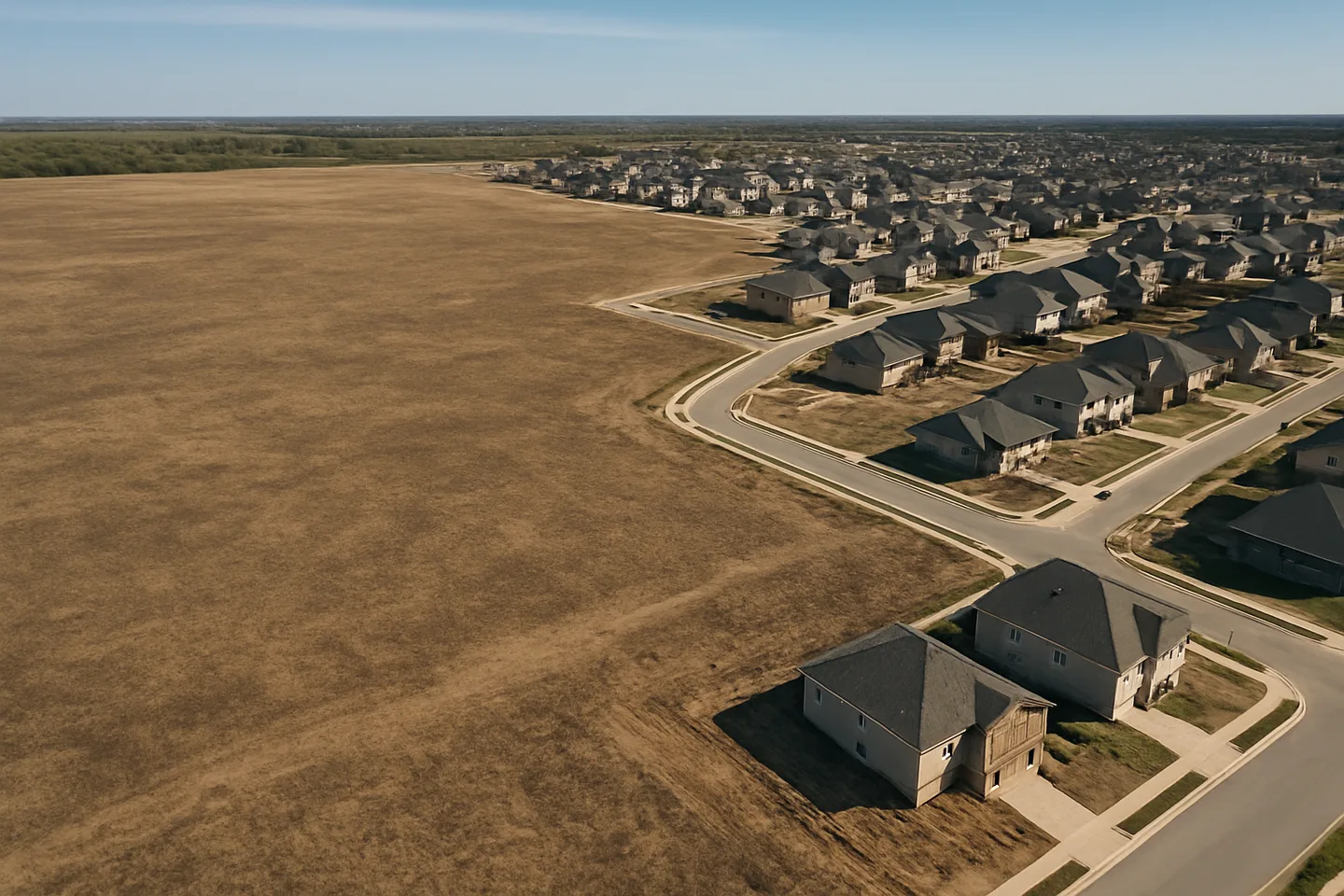
Real estate developers purchase raw land to build homes, apartments, retail centers, and commercial projects. They look for parcels that meet specific criteria: favorable zoning, road access, utility availability, and proximity to growing population centers. The Wasatch Front region, which includes Salt Lake, Utah, Davis, and Weber counties, accounts for approximately 80% of Utah's population and is where developer demand is strongest.
Developers also target land in southern Utah near St. George and in rapidly expanding suburbs like Herriman, Saratoga Springs, and Vineyard. If your property sits in or near a growth corridor, a developer may pay a premium compared to what an individual buyer would offer. However, the sale process with a developer differs significantly from a traditional land sale, and understanding those differences helps you negotiate effectively.
Not all land attracts developer interest. Parcels that are landlocked, steeply sloped, in flood zones, or far from utilities are less appealing to developers because the cost of bringing infrastructure to the site eats into their profit margins. If your land does not attract developer offers, selling to a direct cash buyer is an alternative that works for any parcel regardless of condition or location.
How to Sell Your Land to a Developer: Step by Step
Step 1: Understand your land's development potential. Before approaching developers, research the zoning classification, land use designation, and any applicable overlay zones. Contact your local planning department to learn what types of development are permitted on your parcel. Land zoned for residential development in a growing area commands the highest prices from developers.
Step 2: Get a professional appraisal or valuation. Developers will conduct their own analysis, but having an independent appraisal gives you a baseline for negotiations. A professional land appraisal costs $300 to $500. You can also research comparable sales through the county assessor to understand what similar parcels have sold for recently.
Step 3: Identify and contact developers. Look for active developers in your area by reviewing new construction projects, checking building permit records, and searching online for developers who operate in your county. Reach out directly with your property details. Many developers are actively looking for land and will respond quickly if your parcel fits their criteria.
Step 4: Evaluate the offer carefully. Developer offers typically include earnest money deposits of 1% to 3% of the purchase price and due diligence periods of 30 to 90 days. During due diligence, the developer studies zoning, environmental conditions, utility availability, and entitlement feasibility. The purchase price may be contingent on the developer obtaining approvals. Understand every contingency before signing.
Step 5: Negotiate terms beyond price. Price is important, but closing timeline, contingencies, and earnest money structure matter too. A developer offering $200,000 with a 90-day due diligence period and multiple contingencies may be less certain than a cash buyer offering $170,000 with a two-week close and no contingencies. Consider the certainty of closing alongside the dollar amount.
Step 6: Close the transaction. Developer land purchases in Utah close through a title company. The title company handles escrow, title search, deed preparation, and recording. Closing costs are typically split between buyer and seller based on the purchase agreement terms. Environmental site assessments (Phase I ESA) costing $1,500 to $4,000 are commonly required by developers before closing.
What Developers Pay for Land in Utah
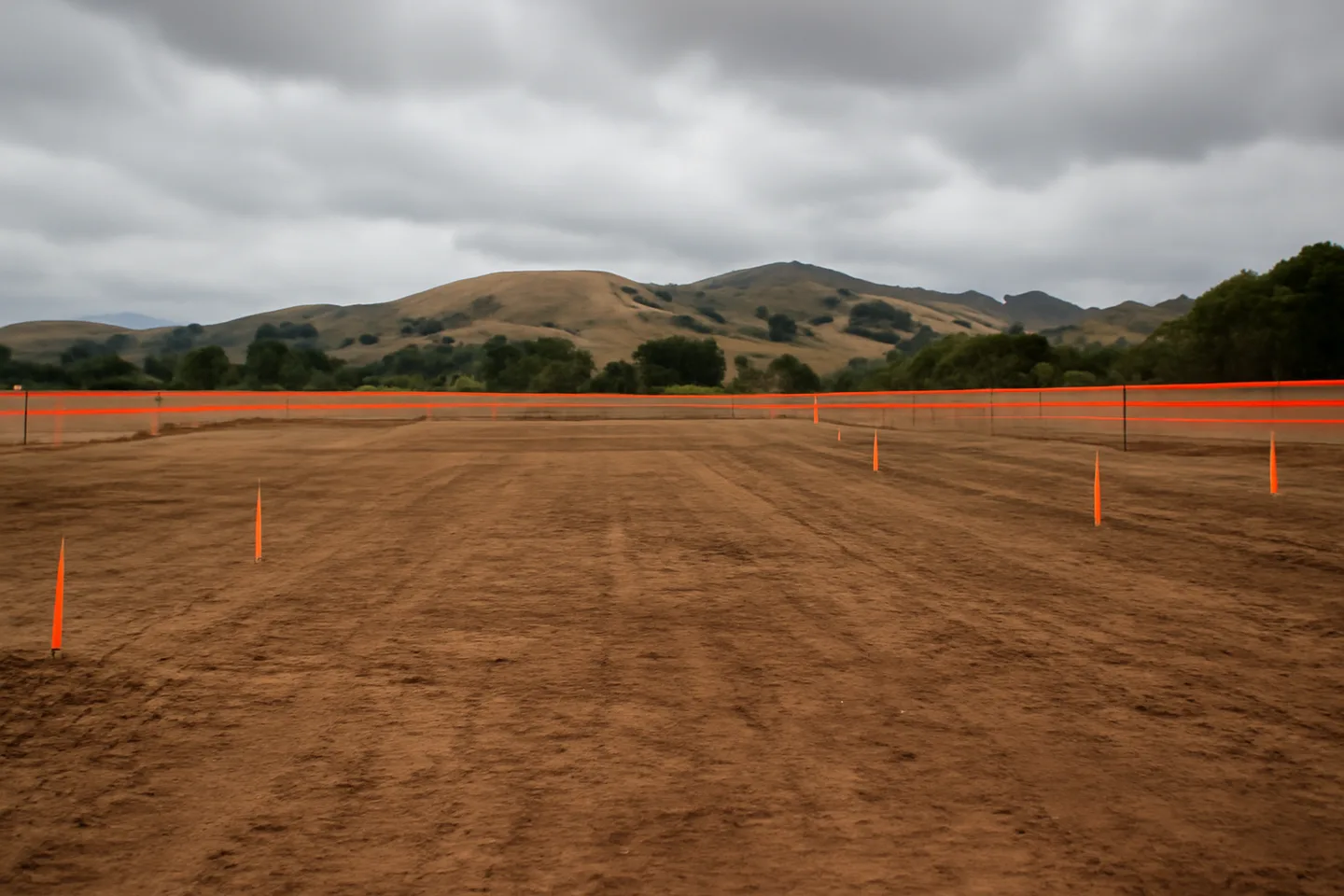
Developer offers typically range from 60% to 80% of the retail market value for raw land. This discount reflects the developer's costs for entitlements, infrastructure, impact fees, and carrying risk. Impact fees alone can range from $3,000 to $15,000 per lot depending on the municipality. Developers factor these costs into their land purchase calculations.
However, developers sometimes pay above retail for parcels with exceptional development potential. Land that is already zoned for high-density residential, has approved subdivision plans, or sits adjacent to existing infrastructure can command premium pricing. If your property has development-ready characteristics, multiple developers may compete for it, driving the price higher.
Seller financing is another option that can increase your total return. In a seller-financed deal, you carry a note for 1 to 5 years while the developer obtains entitlements and builds. This arrangement can command a higher sale price but introduces risk if the developer defaults on payments. Consult an attorney before entering a seller-financed agreement.
Common Questions About Selling Land to Developers
How do I find developers interested in buying my Utah land?
Check building permit records in your area, review active construction projects nearby, and search online for developers operating in your county. Contact local real estate agents who specialize in land sales. You can also list your property on developer-focused platforms. If your land is in a growth area along the Wasatch Front or near St. George, developers are actively searching for parcels.
Do I pay capital gains tax when selling to a developer?
Yes. Capital gains tax applies to land sales regardless of who buys it. Federal long-term rates are 0%, 15%, or 20% depending on your income. Utah taxes capital gains at 4.65%. A 1031 exchange can defer these taxes if you reinvest in like-kind property within 180 days. Consult a tax professional to minimize your tax liability.
Should I rezone my land before selling to a developer?
Rezoning before selling can increase your land's value significantly, but the process takes 3 to 12 months and is not guaranteed. Most developers prefer to handle rezoning themselves because they have relationships with planning departments and know exactly what approvals they need. In most cases, it is better to sell at the current zoning and let the developer take on the entitlement risk.
What if my land does not attract developer interest?
Not all parcels are suitable for development. If your land is remote, lacks road access, or has zoning restrictions that limit development, a direct cash buyer is your best option. Cash land buyers purchase property in any condition, handle all paperwork, and close in as little as two weeks. There are no contingencies, no due diligence periods, and no risk of the deal falling through.
Your Options for Selling Land in Utah
Selling land to a developer can maximize your return if your property is in the right location with favorable zoning. But the process is longer and more complex than a traditional sale, with extended due diligence periods and contingencies that can delay or cancel the transaction. If you want certainty and speed, selling to a direct cash buyer provides a guaranteed close in as little as two weeks with no commissions and no contingencies. Whether your land is in Washington County, Salt Lake County, or anywhere in Utah, we purchase property directly for cash. Contact us for a no-obligation offer.
Need to sell your Utah land? We buy land directly from owners for cash, with no fees, no commissions, and we close in as little as 2 weeks.
Loading form...
Sell Your Utah Land for Cash
Ready to sell? We buy land directly from owners across Utah. Get a fast, no-obligation cash offer.